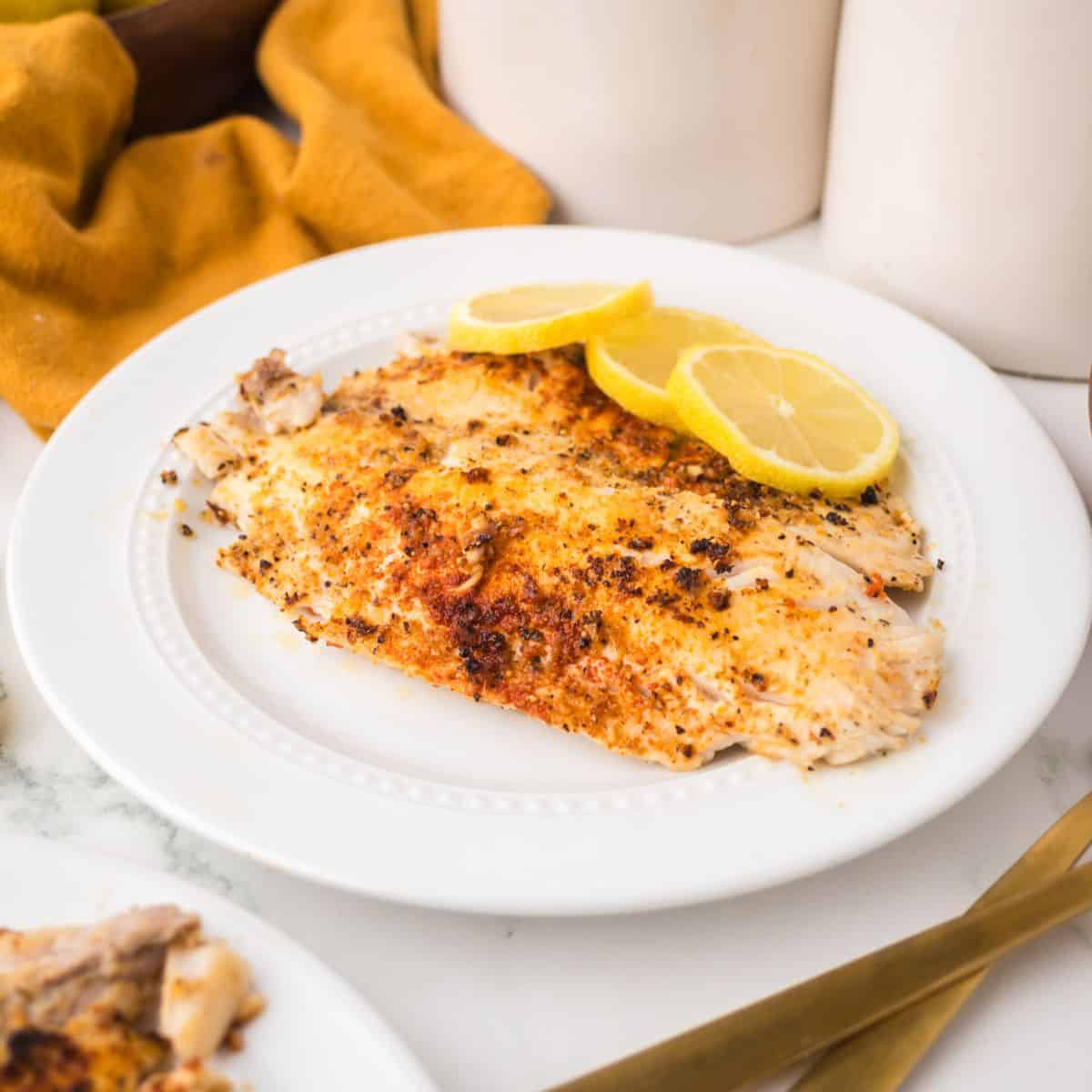
Never Bland Again: Pro Tips for Flavorful Skillet Tilapia
Tilapia often gets a bad rap in the culinary world, frequently dismissed as bland, boring, or simply a vehicle for other flavors. But what if we told you that this lean, affordable, and incredibly versatile fish has the potential to be the star of your weeknight dinner table? With the right techniques and a touch of culinary know-how, you can transform humble tilapia fillets into a vibrant, flavor-packed dish that will have even the skeptics asking for seconds. If you're searching for a truly delicious and
easy 15-minute skillet tilapia for busy weeknights, you've come to the right place. This article will arm you with the ultimate guide to making quick skillet tilapia recipe that is anything but boring.
Why Tilapia Deserves a Spot in Your Weeknight Rotation
Beyond its undeserved reputation, tilapia boasts several compelling advantages that make it a go-to for many home cooks, especially on those hectic evenings. First and foremost, it’s a champion of speed. A typical tilapia fillet cooks in mere minutes, making it a dream for busy families rushing between activities. Imagine a full, delicious meal on the table faster than most drive-thru lines – that’s the power of a quick skillet tilapia recipe.
Secondly, tilapia is remarkably budget-friendly. Compared to pricier options like salmon or cod, it offers an economical source of lean protein, making it an excellent choice for a healthy diet without breaking the bank. Its mild flavor, rather than being a weakness, is actually a strength, providing a clean canvas for a multitude of seasonings and accompaniments. This means endless possibilities for customization, ensuring your family never gets tired of the same old dish. For those looking for an affordable, delicious family option, dive into
Quick Skillet Tilapia: An Affordable Family Weeknight Win. It’s time to shed the notion of blandness and embrace tilapia for the weeknight hero it truly is.
The Core Pillars of Flavorful Skillet Tilapia
Transforming tilapia from ordinary to extraordinary hinges on a few key principles. These aren't just minor tweaks; they are foundational steps that build layers of flavor, ensuring every bite is satisfying and delicious.
Aggressive Seasoning: Your First Line of Defense
This is perhaps the most crucial step in combating tilapia’s inherent mildness. Think of the fish as a blank slate, eager to absorb whatever deliciousness you offer. Don't be shy here!
- Salt and Pepper are Non-Negotiable: Always start with a generous pinch of kosher salt and freshly ground black pepper on both sides of each fillet. This acts as the base layer, enhancing all subsequent flavors. Many sources suggest seasoning "aggressively," and for tilapia, that means not holding back.
- Embrace a World of Spices: This is where you can truly customize your quick skillet tilapia recipe. Beyond salt and pepper, consider:
- Smoked Paprika: Adds a beautiful color and a smoky depth.
- Dried Oregano or Thyme: Earthy, aromatic notes.
- Garlic Powder & Onion Powder: Essential flavor boosters that work well with almost any dish.
- Chili Powder or Cumin: For a touch of warmth and an earthy, slightly smoky profile.
- Old Bay Seasoning: A classic choice for fish, offering a complex blend of spices.
- Lemon Pepper: Convenient and adds both zest and spice.
Mix and match, or use your favorite pre-made fish seasoning blend. The key is to thoroughly coat both sides of the fillet.
- Season Your Dredge, Too: If you're breading your tilapia (which we highly recommend), don't forget to season the flour mixture itself. This ensures every part of the fish, from the interior to the crispy coating, is bursting with flavor.
The Magic of the Dredge: Texture & More Flavor
Unlike fish like salmon, tilapia fillets are almost always sold skinless. While convenient, this means you miss out on that satisfying crispy skin often associated with pan-seared fish. Enter the dredge – a simple flour coating that brings back much-needed texture and acts as another vehicle for flavor.
- Why Dredge? A light dusting of flour, seasoned appropriately, achieves several things:
- It creates a beautiful, golden-brown crust when pan-fried, adding a delightful crunch.
- It helps to lock in moisture, keeping the delicate fish tender and flaky.
- It allows more of those delicious seasonings to adhere to the fish.
- How to Dredge Effectively: Place your seasoned flour (and any additional spices) in a shallow dish. Lightly coat each fillet, ensuring an even layer, then gently shake off any excess. You want a thin, uniform coating, not a thick batter.
- Beyond All-Purpose Flour: While standard flour works wonderfully, don't hesitate to experiment. Cornstarch can yield an even crispier coating, while almond flour or finely ground pork rinds offer excellent gluten-free and low-carb alternatives.
Acidity: The Brightness Factor
Almost universally, fish benefits from a squeeze of something acidic. Acid isn't just for flavor; it's a balancing act. It cuts through any potential richness (even lean tilapia can benefit from this), brightens the overall taste, and elevates the entire dish.
- Lemon and Lime are Classics: A simple wedge of lemon or lime squeezed over the hot fish just before serving is a time-honored tradition for a reason. Their vibrant, zesty notes are universally loved.
- Explore Other Citrus: Don't limit yourself! Orange or grapefruit can offer a sweeter, more complex citrus profile. Consider incorporating their zest into your seasoning blend for an extra aromatic kick.
- Vinegars as an Alternative: A drizzle of good quality balsamic glaze or a splash of red wine vinegar can also provide that crucial acidic lift, adding a different dimension of flavor.
- When to Add: Generally, acidity is best added at the very end of cooking, or just before serving, to preserve its fresh, bright character. However, a little lemon juice mixed into your dredging flour can also be a pleasant addition.
Herb Power: Freshness and Aroma
The final flourish that takes your quick skillet tilapia recipe from good to great is the addition of fresh herbs. They bring an unparalleled freshness, vibrant color, and an aromatic lift that dried herbs simply can't match.
- No Such Thing as Too Many (Complementary) Herbs: Don't be shy about finishing your dish with a generous sprinkling of finely chopped fresh herbs. The key is to choose herbs that complement your chosen spices.
- Parsley: Fresh, clean, and universal – always a safe bet.
- Cilantro: Excellent for more robust or South American/Mexican-inspired spice blends.
- Dill: Pairs beautifully with lighter, lemony flavors.
- Chives: Offers a subtle oniony bite.
- Basil or Tarragon: Adds a touch of sophistication and unique aromatics.
- Fresh Oregano: More pungent than its dried counterpart, fantastic with Mediterranean profiles.
- Chop Just Before Serving: To maximize their vibrant flavor and aroma, chop your fresh herbs right before you're ready to plate the fish. The heat from the just-cooked tilapia will gently release their essential oils.
- Beyond the Sprinkle: Consider making a quick herb oil by infusing chopped herbs in good olive oil, then drizzling it over the finished fish for an extra layer of flavor.
Mastering the Skillet: Cooking for Perfection
Even with the best seasoning, proper cooking technique is vital for achieving perfectly flaky, tender tilapia. The "skillet" part of our quick skillet tilapia recipe is where the magic happens.
Choosing Your Skillet and Oil
The right tools make all the difference.
- Skillet Choice: A good quality non-stick pan is often the easiest choice for delicate fish, ensuring it doesn't stick. However, a well-seasoned cast-iron skillet can also achieve an incredible sear and beautiful crust, just ensure it's properly preheated and oiled.
- Oil Selection: Use an oil with a high smoke point for pan-frying. Avocado oil, grapeseed oil, canola oil, or even vegetable oil are excellent choices. Save your extra virgin olive oil for drizzling after cooking, as its low smoke point can cause it to burn at high temperatures, imparting a bitter flavor.
Optimal Heat and Timing
The secret to perfectly cooked fish in minutes is controlling the heat.
- Preheat Properly: Heat your chosen oil in the skillet over medium-high heat until it shimmers but isn't smoking. A hot pan is crucial for achieving that crispy exterior without overcooking the inside.
- Don't Overcrowd: Cook fillets in batches if necessary. Overcrowding the pan lowers the temperature and steams the fish instead of searing it, leading to a less crispy, sometimes rubbery, result. Leave enough space around each fillet for even cooking.
- Cook Quickly: Tilapia fillets are thin and cook very fast. Typically, they only need 2-4 minutes per side, depending on thickness. You'll know they're done when they turn opaque throughout and flake easily with a fork. Resist the urge to constantly flip them; let them get a good sear on the first side before turning. This ensures a beautiful golden crust.
Beyond the Basic: Elevating Your Dish
Once you've mastered the basic quick skillet tilapia recipe, feel free to get creative with accompaniments.
- Quick Pan Sauces: While the fish is resting, you can often whip up a simple pan sauce in the same skillet. Deglaze the pan with a splash of white wine, chicken broth, or even a little lemon juice. Stir in a pat of butter, some fresh herbs, and a squeeze of lemon for an instant flavorful sauce.
- Serving Suggestions: The reference context mentions serving over succotash, which is a fantastic idea. Other excellent pairings include:
- Roasted vegetables (asparagus, broccoli, bell peppers)
- Quinoa or rice pilaf
- A simple green salad with a vinaigrette
- Couscous or a light pasta
- Cauliflower rice for a low-carb option
The goal is to choose sides that complement the fish without overpowering its delicate texture and the vibrant flavors you've built into it.
Conclusion
Tilapia doesn't have to be bland, boring, or relegated to the back of the freezer. With these pro tips – aggressive seasoning, a strategic dredge, a touch of acidity, and a flourish of fresh herbs – you can transform this economical fish into a truly delectable and quick skillet tilapia recipe that will impress even the most discerning palates. It’s the perfect solution for busy weeknights when you crave something wholesome, flavorful, and on the table in minutes. So go ahead, embrace the power of the skillet, experiment with flavors, and get ready to enjoy tilapia like never before!